
Why Risky Jokes Still Matter
Comedy works because it flirts with danger—and that’s good for us.

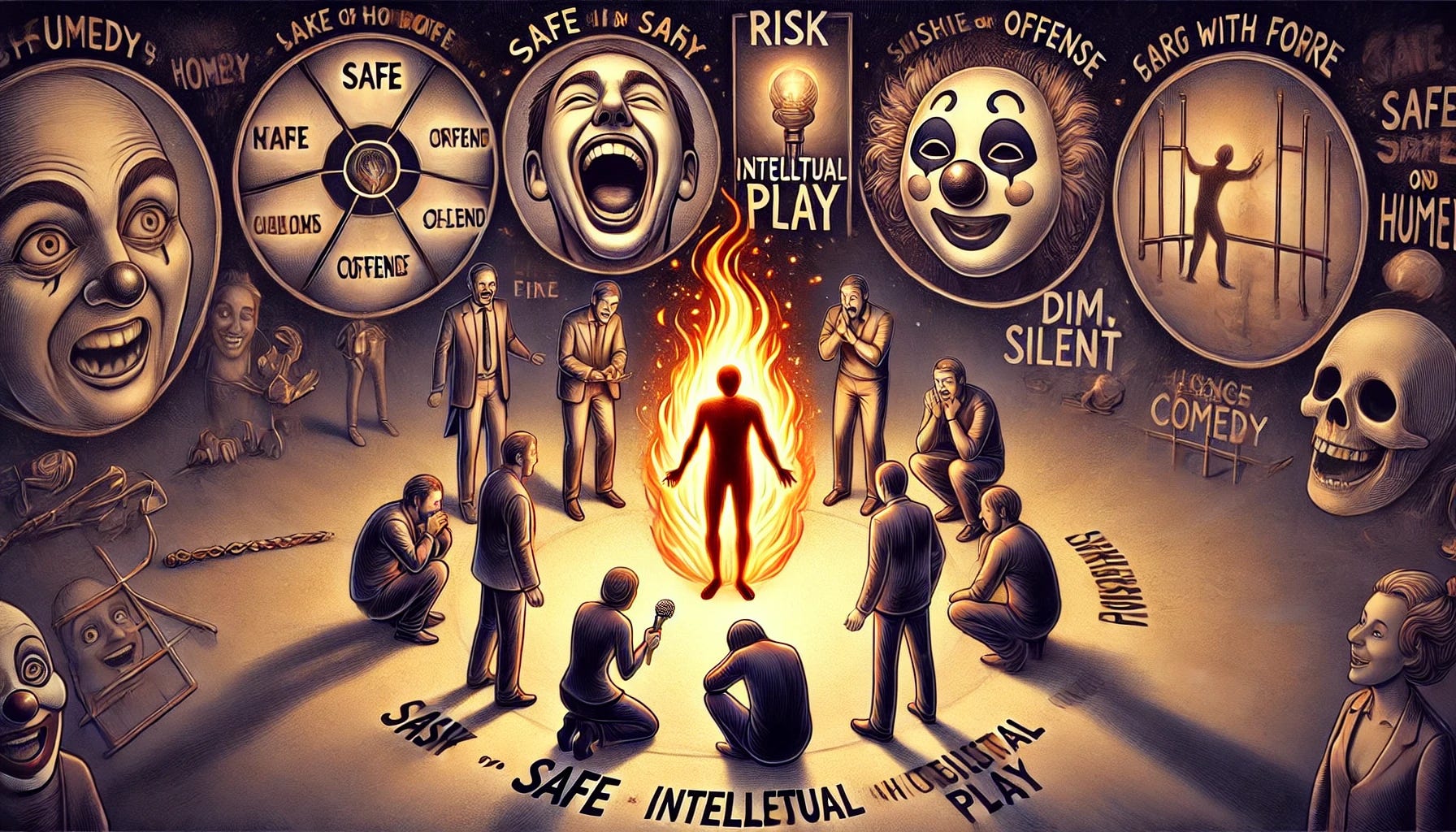
Laughter is our species’ way of playing with fire safely. When we outlaw risk in jokes, the light goes out.
I’m writing a book, That’s Not Funny: How America Lost Its Sense of Humor—where comedy meets science. Each week I’ll share a short field note from research and real life about why jokes matter.
1) Laughter is play with ideas
In biology, play is how young animals practice skills without the full consequences. Humor is adult play: we push on taboos, roles, and rules in a low-stakes arena. Remove the risk and you remove the point.
2) “Clapter” isn’t laughter
Applause for the stance of a joke (“we agree!”) feels good, but it’s not the involuntary spasm of something truly funny. Laughter arrives when our expectations snap—surprise, not sermon.
3) Offense can be useful
Being offended isn’t damage; it’s data. It tells us where our identity rubs against reality. The research case I’ll build here: managed offense builds resilience the way a vaccine builds immunity.
4) The science angle
Evolutionary psychology treats humor as a signal—of intelligence, perspective, and group fit. That signal fades if we never risk sending it.
What to expect here
One short post a week (600–900 words)
Research summaries without the jargon
Notes on risk, laughter, offense, and why jokes matter
If this resonates, subscribe and share. Next week: When applause replaced laughter.
—Robert
P.S. If you found this via LinkedIn, you’ll get the best stuff by subscribing below.